Why the Last Five Minutes of Practice Matter More Than You Think
A session that ends with a passage finally holding together feels like progress; the same session, stopped two minutes later on a collapse, feels wasted. Why the last correct repetition decides whether you come back tomorrow.
Why Mixing Your Pieces in One Session Beats Drilling Them One by One
The passage you drilled tonight feels solid — and comes undone by morning. Why rotating between pieces in one session builds skill that survives until tomorrow.
Why Playing From Memory Shows You How Well You Really Know a Piece
Close the music and the piece stops halfway down the page. Why playing from memory is the most honest test of what you have actually learned — and how to build it four bars at a time.
Why the Practice That Happens Away From Your Instrument Still Counts
Some of your most useful practice this week may happen with the instrument in another room. Why running a passage slowly in your head exposes the bars you never really learned — and where it fits in an ordinary day.
Why Twenty Uninterrupted Minutes Beat an Hour of Half-Practice
You practised for forty minutes, but how many of them were unbroken? Why one protected, uninterrupted stretch does more for your playing than a longer session cut into pieces.
Why Practising Is Easier When Someone Else Is Doing It Too
Nobody notices when you quietly stop, which is exactly why it happens. Why one person who knows what you are working on changes how often you sit down.

Why the Hardest Part of Practice Is the Ten Seconds Before You Start
Most missed sessions were never really a decision — practising simply never came up. Why a cue where you are already looking beats willpower.
Why Most Beginners Quit — and What Keeps the Rest of Us Playing
Most adult beginners stop within the first year, and almost never because of talent. Why the plateau arrives on schedule, and the few habits that keep the rest of us playing.
Why Ten Focused Minutes Beat an Hour on Autopilot
You practised for forty minutes, but what did you actually fix? Why one small target and full attention beat an hour of playing the piece from the top.
Why Fifteen Minutes a Day Beats Three Hours on Sunday
The long weekend session feels like the serious practice. Why five short days build more skill than one long afternoon — and how to lay out a week you will actually keep.
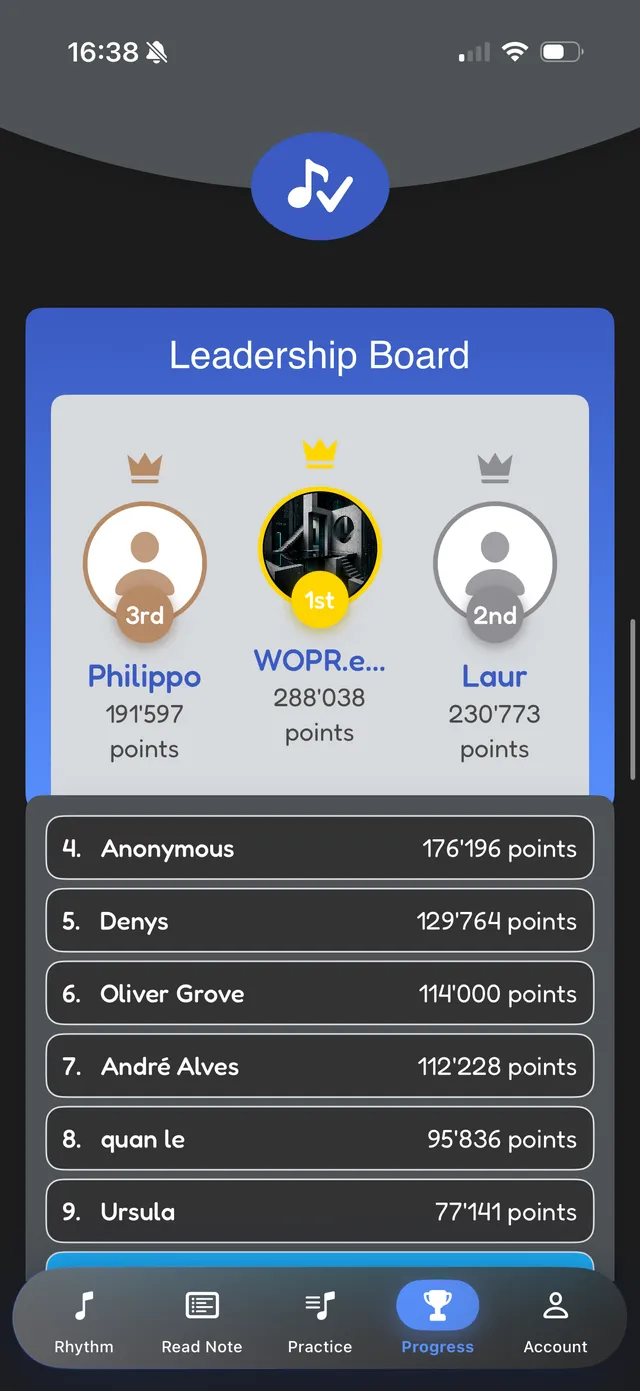
Why a Visible Practice Record Gets You to the Instrument
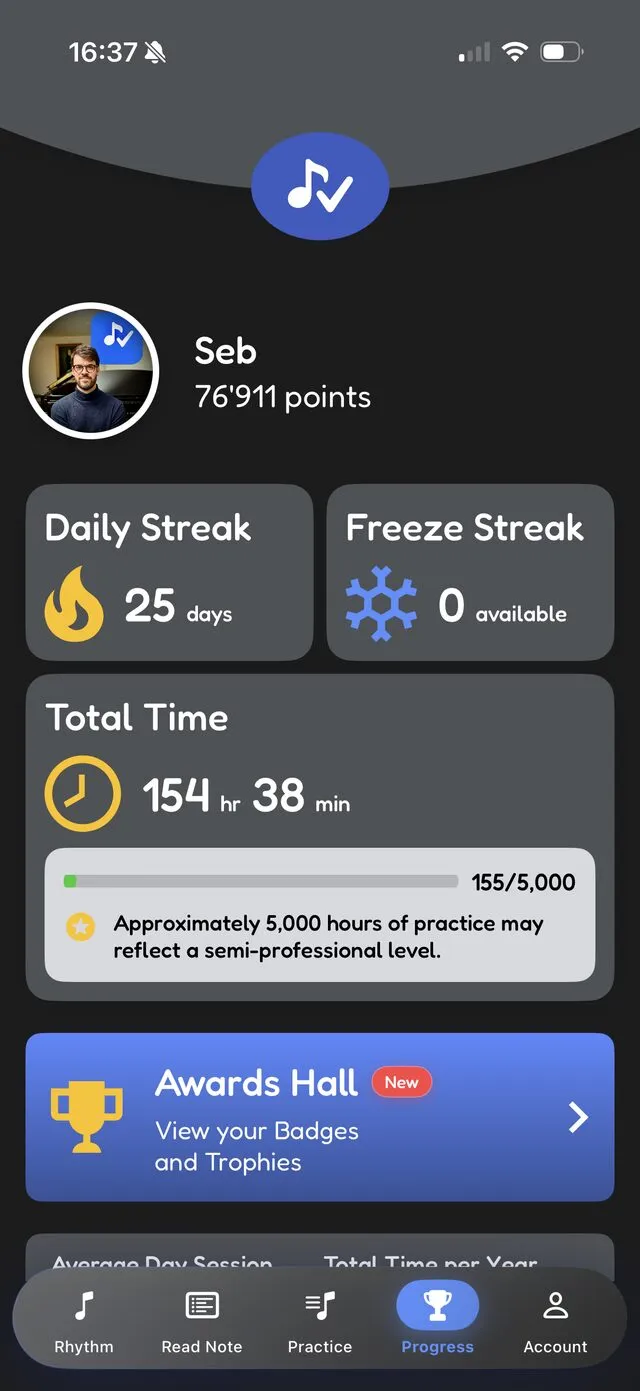
Nobody notices when you skip a day, which is exactly why the days slip. Why a visible record of your hours gets you to the instrument when motivation does not.
Why the First Ten Minutes Decide How Well the Rest Goes
Cold hands, unfocused ears, and the hardest bar in the piece within thirty seconds. Why ten unhurried minutes at the start change what the rest of the session is worth.
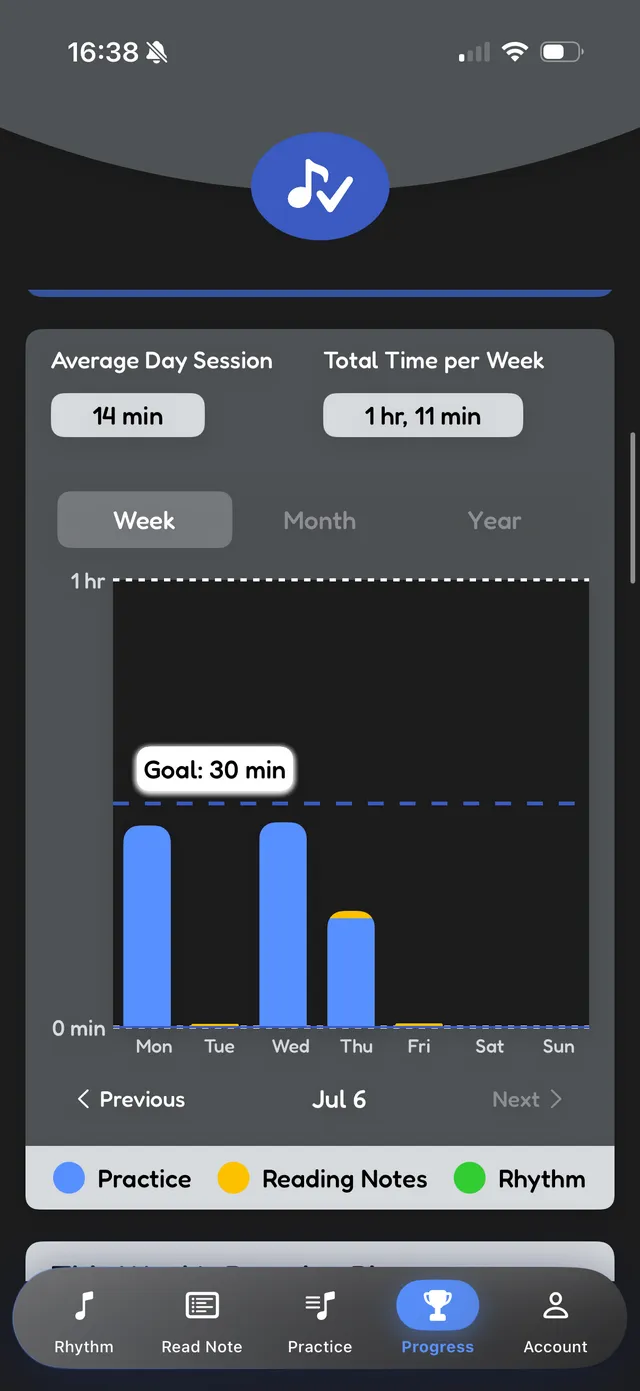
Why Looking Back at Your Practice Week Changes What You Practise Next
Logging your practice tells you how much you played. Reviewing it tells you what you played — and what you have quietly been avoiding for a month.
Why Slow Practice Is the Fastest Way to Learn
Playing slowly feels like standing still — it is the opposite. Why slow, correct repetitions build accuracy and real speed faster than pushing the tempo ever will.
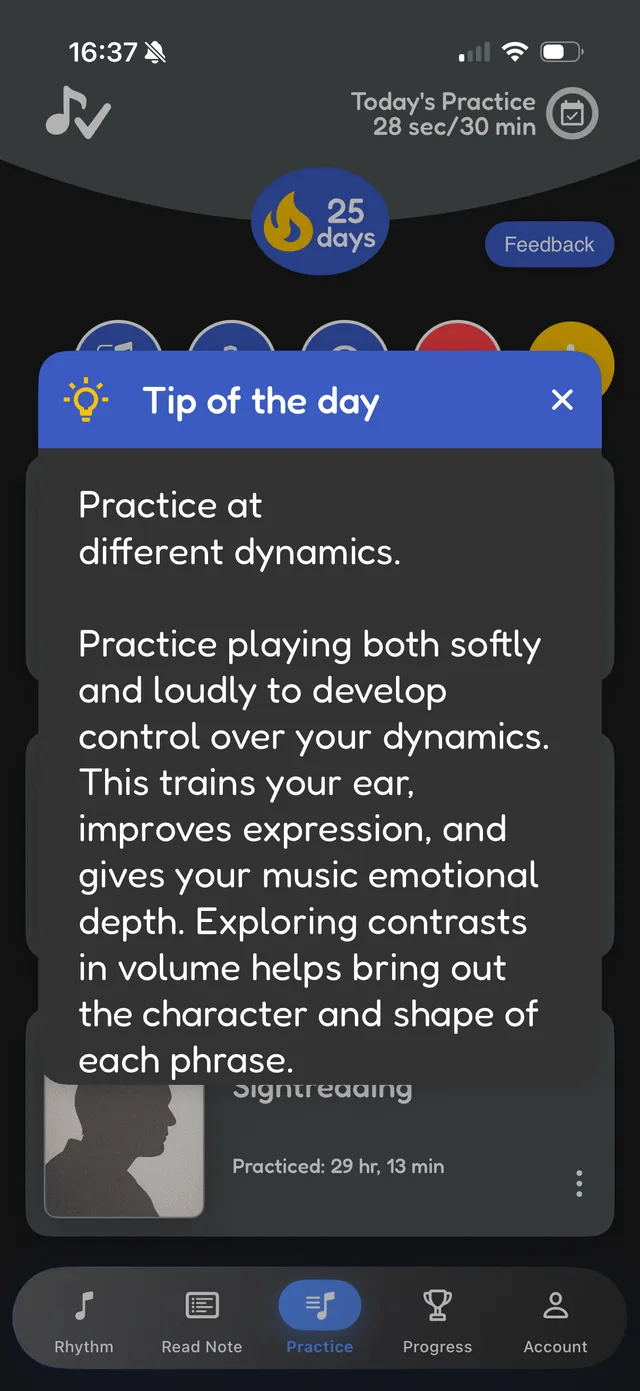
Why One Practice Tip a Day Beats a Shelf of Method Books
The information is rarely the problem — the moment is. Why one short, practical tip waiting on your home screen changes more about your playing than another method book on the shelf.
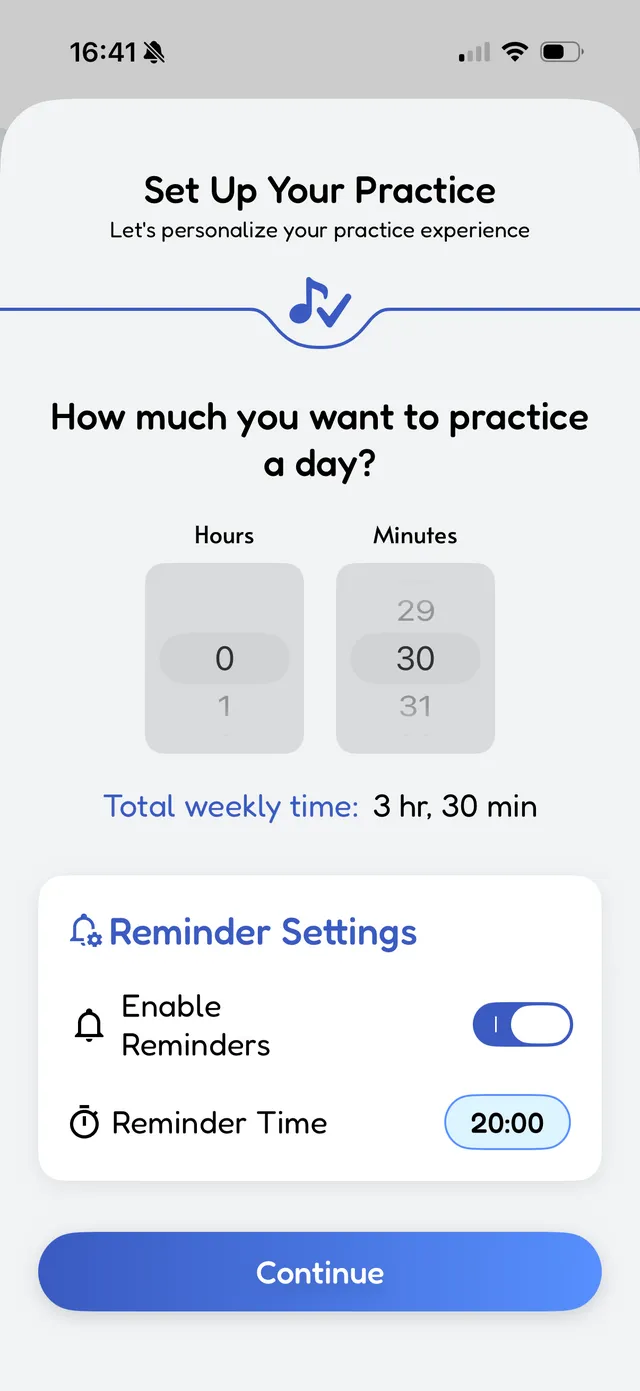
Why a Clear Goal Turns Practice Into Real Progress
Effort without a target is how you log a hundred hours and stay in the same spot. Why a specific, trackable goal — protected by a reminder — turns practice into visible progress.
Why Small Rewards Keep You Coming Back to the Instrument
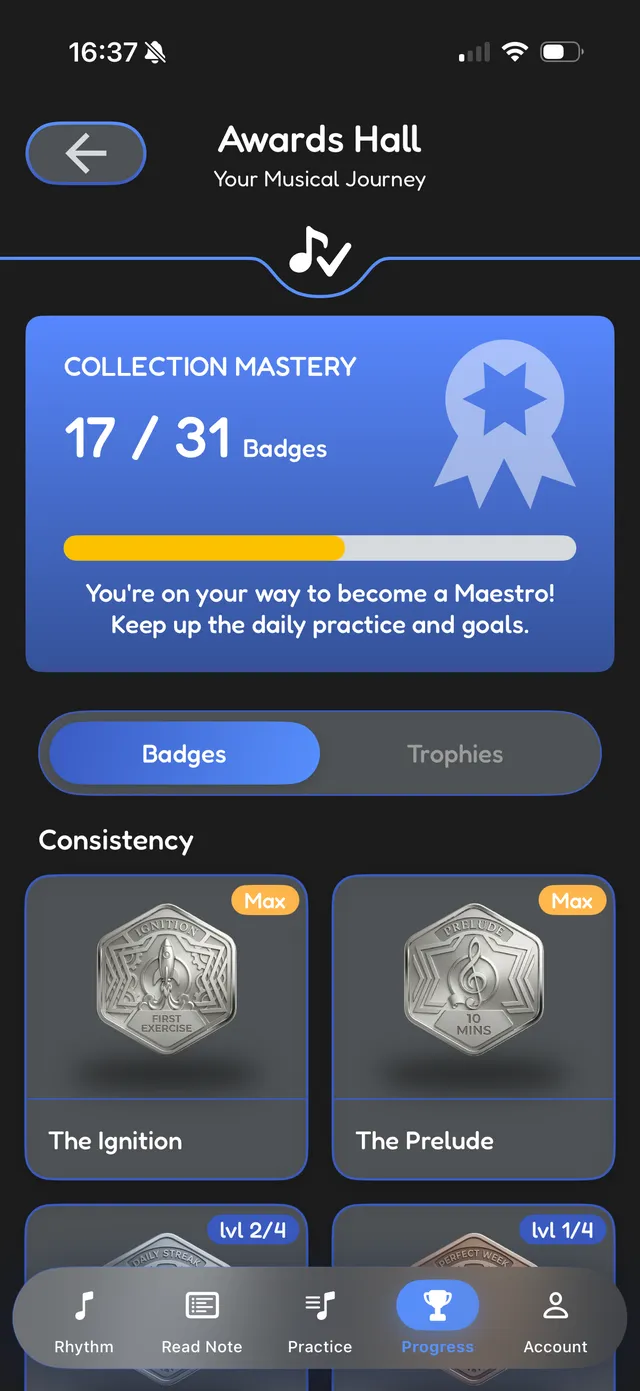
Motivation is the least dependable thing a musician owns. Why small, earned rewards — badges and trophies for the practice you already do — keep you coming back on the days you would rather not.
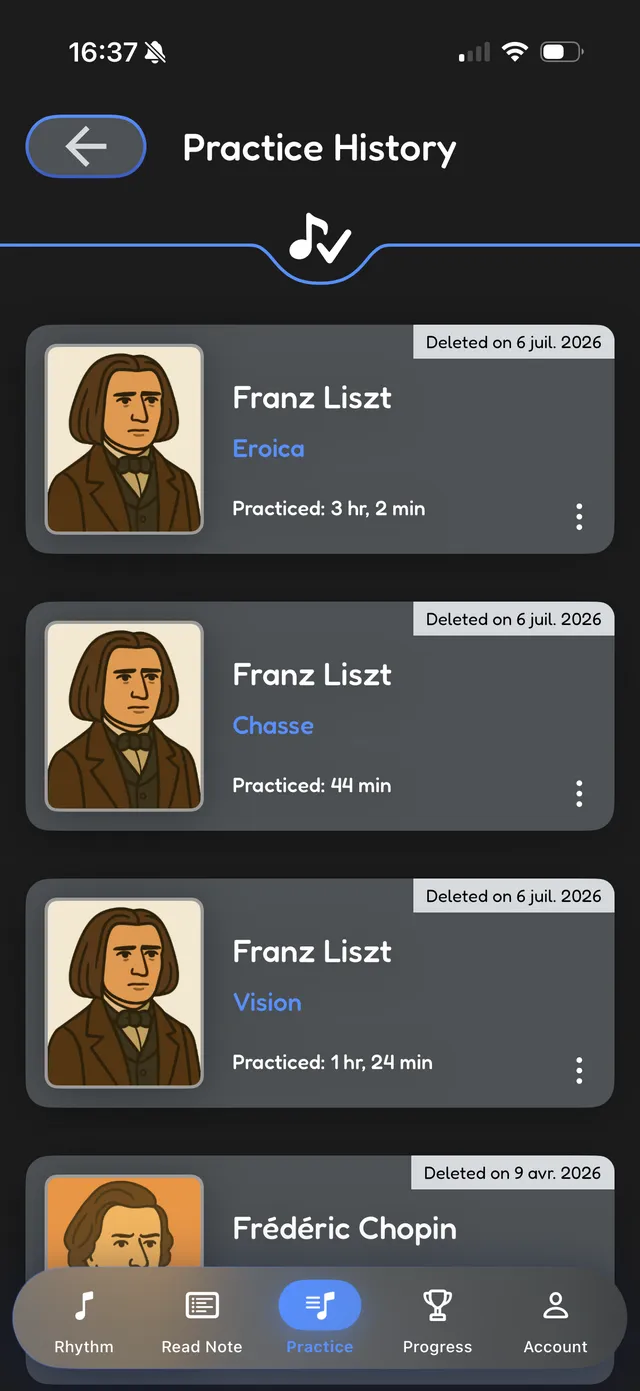
Why Keeping a Repertoire List Changes What You Practise
Ask most players what they are working on and you get a pause, then two titles. Why a written list of your pieces — with the hours logged against each one — turns busy practice into visible progress.
Why a Small Daily Habit Beats Motivation Every Time
Motivation is the least reliable resource a musician has. Why a small daily session, a visible cue and a never-miss-twice rule build more skill than bursts of enthusiasm.
Why Ear Training Turns Listening Into Your Sharpest Skill
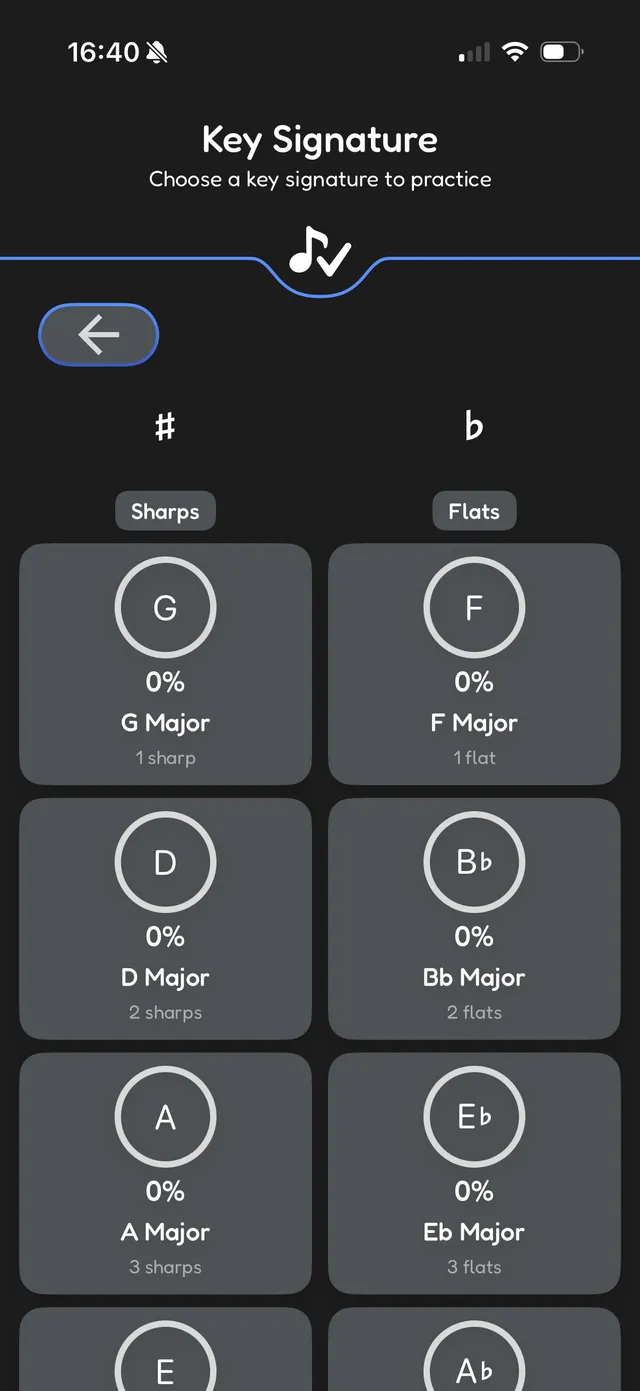
Relative pitch isn't a gift, it's a trainable skill. Why a few minutes of daily interval and key drills sharpens everything from sight-reading to improvising.
Why Rhythm Training Matters (and How to Build It)
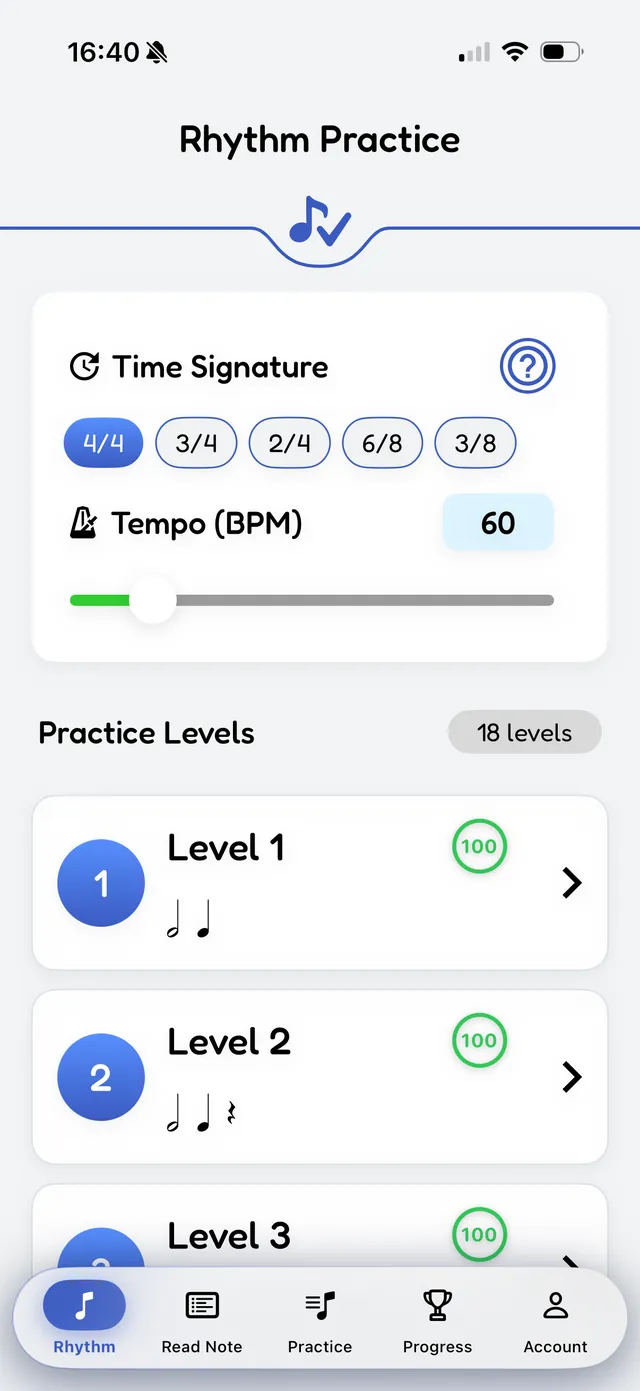
The notes can be perfect and the passage can still sound wrong. Why rhythm is the skill listeners feel first, and how graded, tap-along practice builds a beat you can trust.
Why Fluent Note Reading Unlocks Every Piece You Want to Play
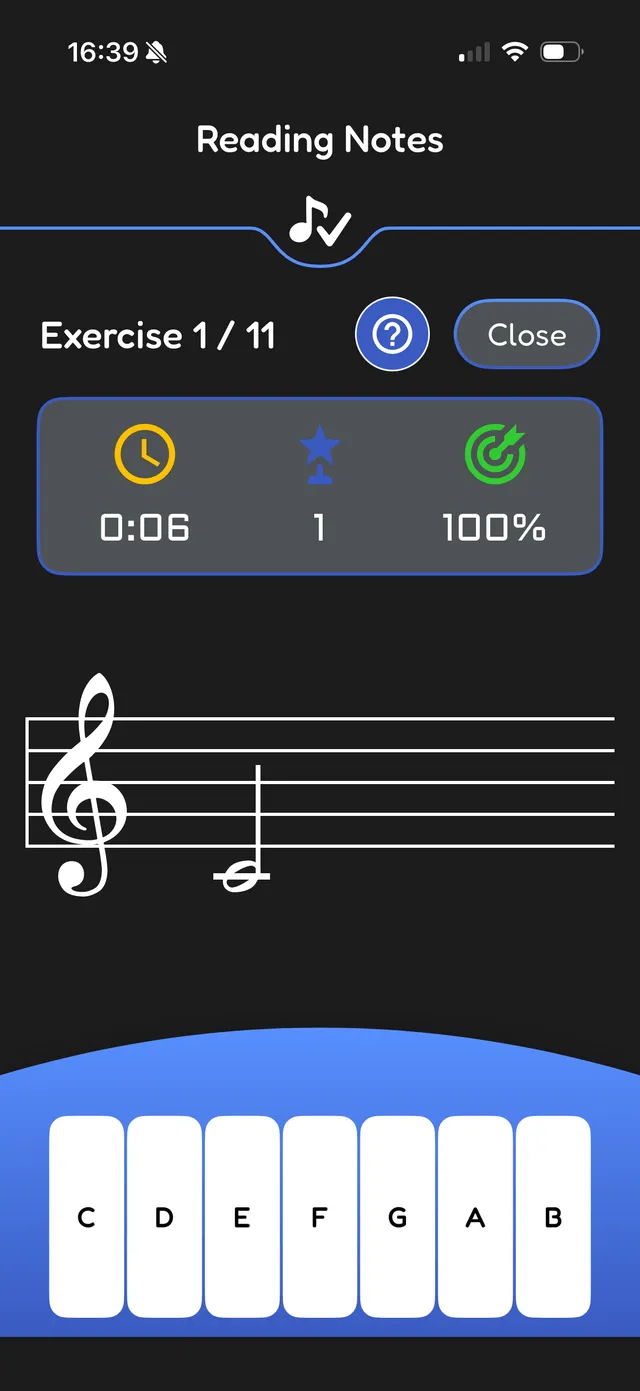
Sheet music stops being a puzzle when you can simply read it. Why note reading is the skill most self-taught players skip — and how a few minutes of daily training changes what you can play.
Why Weekly Practice Leagues Keep You Coming Back
Knowing how to practise is easy; doing it every day is hard. Why friendly, weekly competition turns good intentions into consistent hours at your instrument.

Why Recording Yourself Is the Fastest Way to Improve (and the Easiest to Avoid)
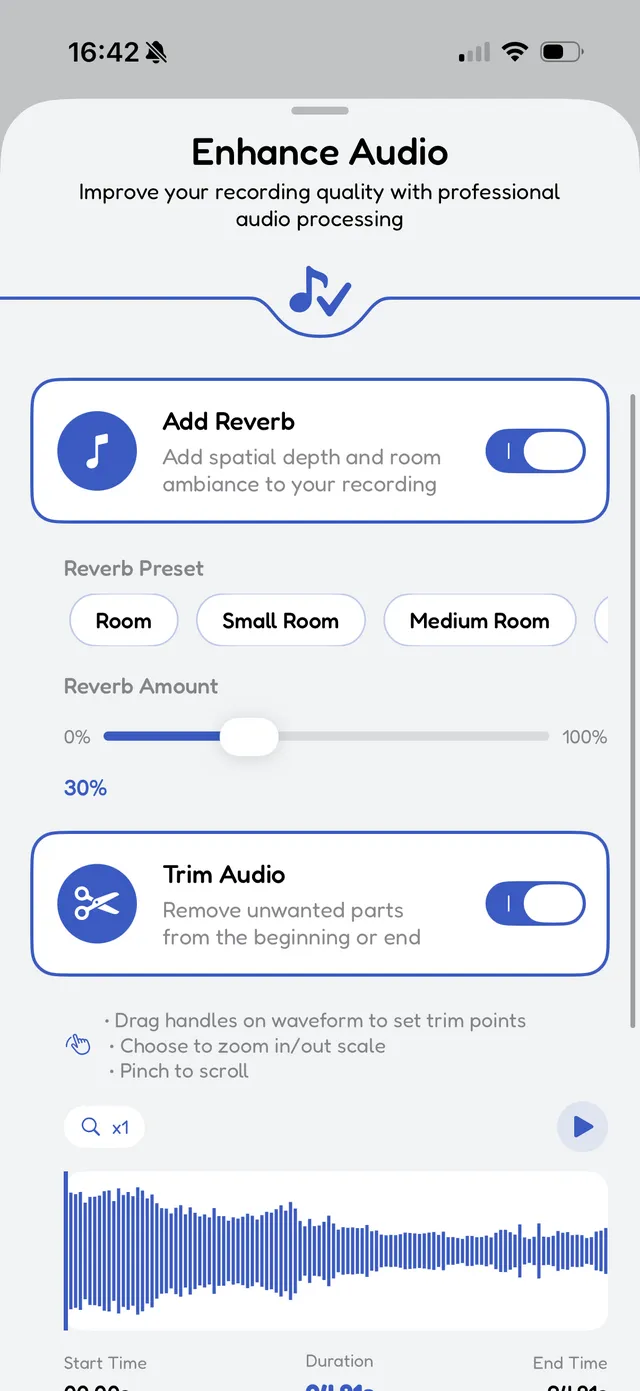
The microphone hears what you can't while playing. Why recording is the shortest feedback loop in music, how a dated library of takes proves you're improving, and how to polish takes with reverb and trimming so you actually listen back.
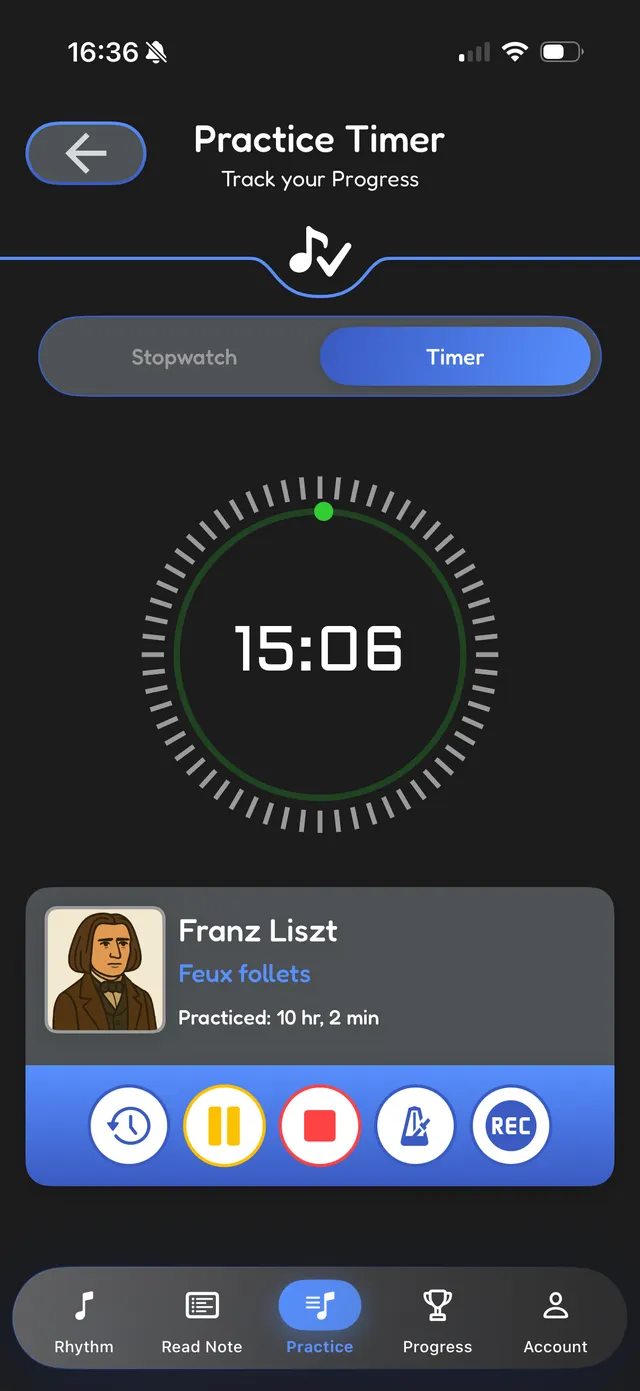
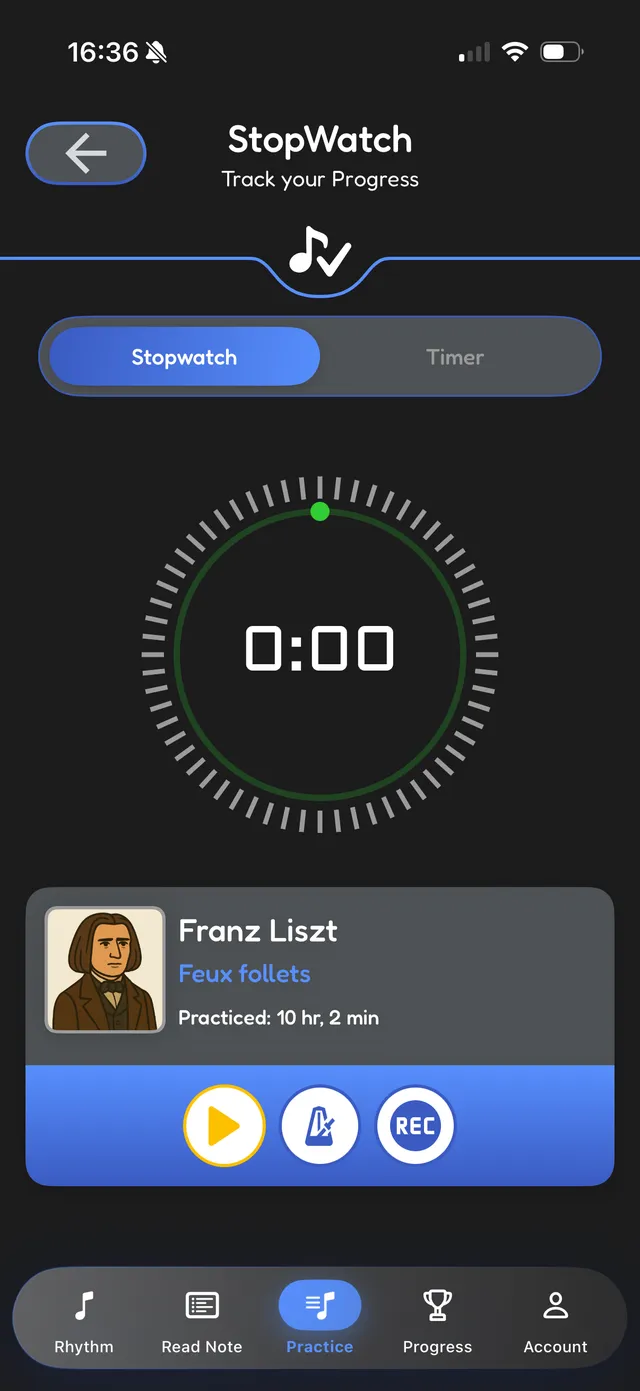
Why Tracking Your Practice Matters (More Than Practicing Longer)
Memory is a flattering historian: it remembers your two best days and forgets the rest. Why a simple practice log beats good intentions, how streaks turn consistency into a reward, and the four things worth tracking.

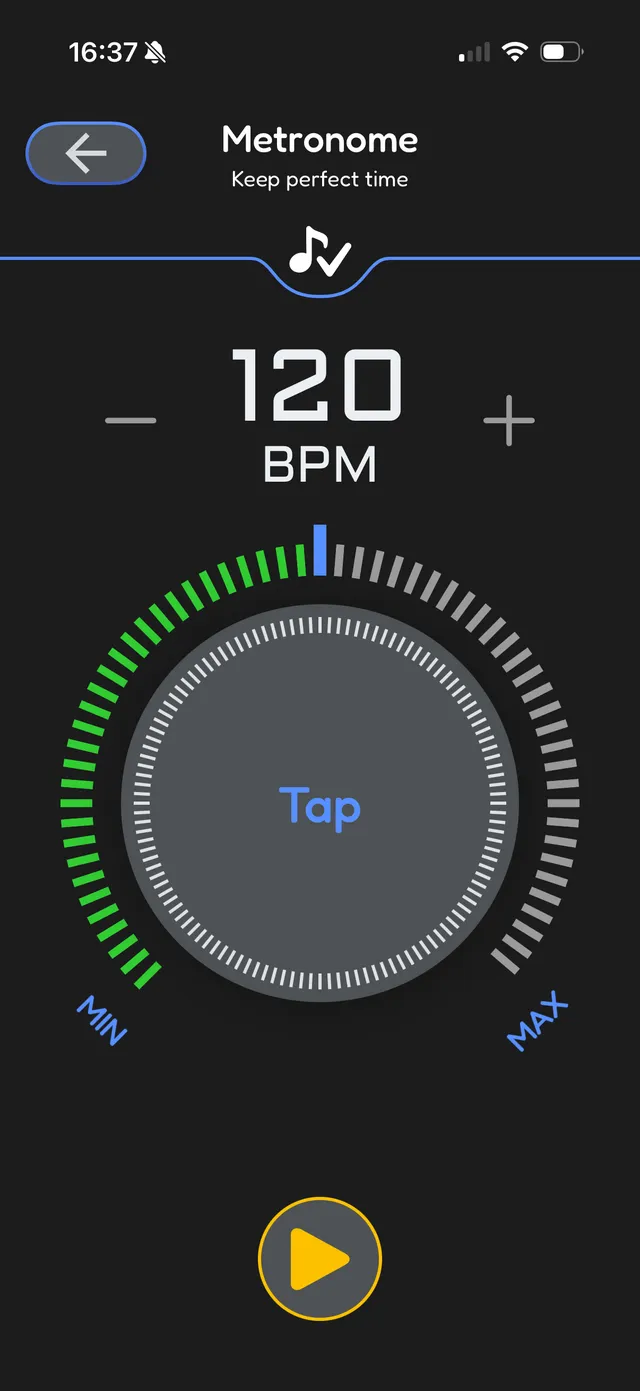
Why Practicing With a Metronome Matters (and How to Do It Right)
Rhythm is the first thing listeners notice and the last thing players hear in themselves. Why the click works, the three classic ways people misuse it, and a five-step routine that builds precision before speed.